
Understanding Seasonal Tree Maintenance Needs in North Carolina


Introduction to Tree Maintenance in North Carolina
Tree maintenance is an essential aspect of landscaping, especially in a state like North Carolina, where the climate varies significantly across seasons. Understanding the specific needs of trees during different times of the year can help ensure their health and longevity. This guide explores the seasonal tree maintenance requirements in North Carolina.

Spring: Time for New Growth
Spring is a critical season for tree maintenance as it marks the beginning of new growth. During this time, trees come out of dormancy and start to develop new leaves and flowers. It's essential to:
- Inspect trees for winter damage and address any broken or diseased branches.
- Apply a balanced fertilizer to support new growth.
- Ensure proper watering as trees begin to grow again.
Pruning in Spring
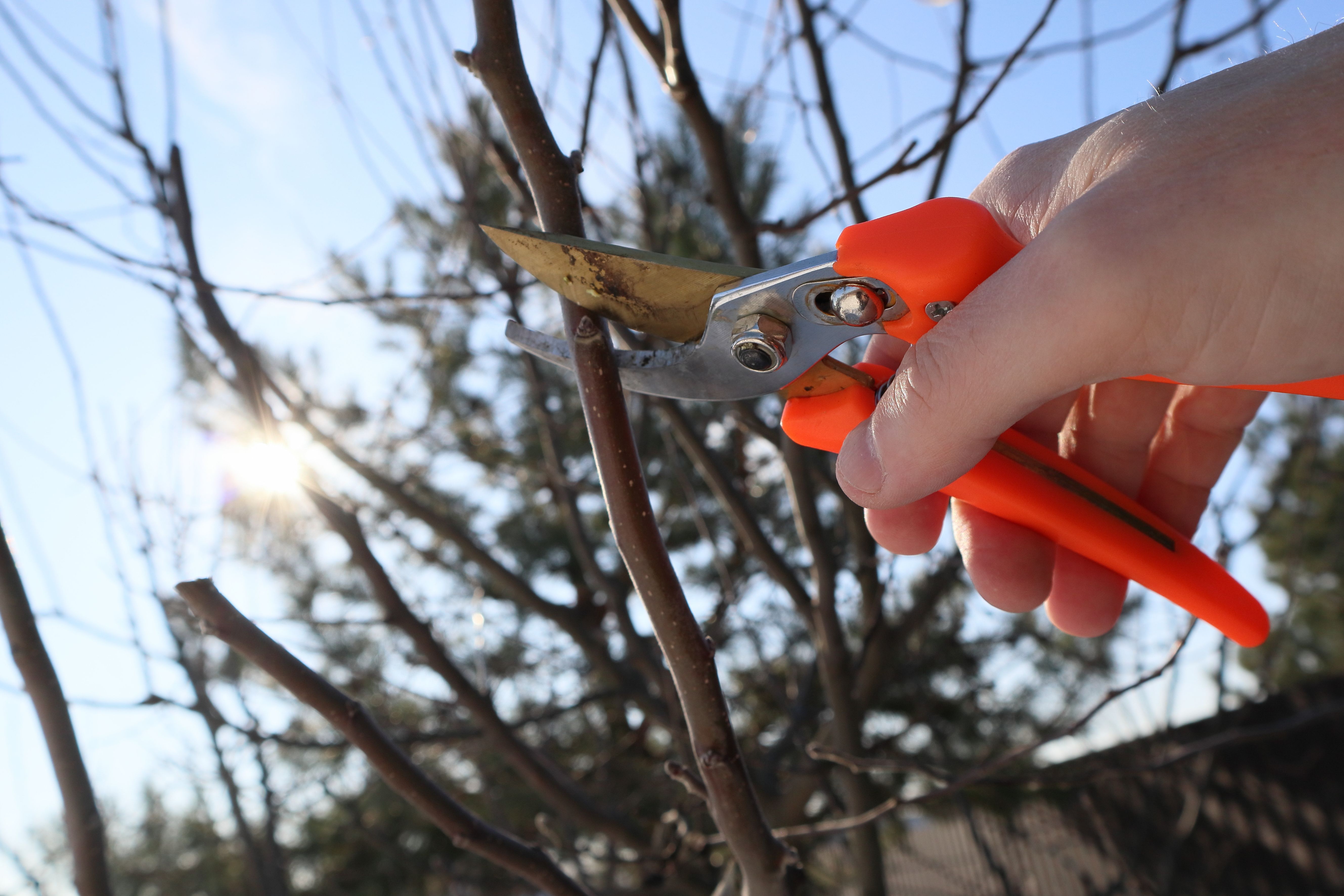
While heavy pruning should generally be avoided in spring, light pruning can help shape young trees and remove any dead wood. This is also a good time to prune flowering trees after they bloom to encourage healthy growth.
Summer: Managing Growth and Pests
As temperatures rise in the summer, trees continue to grow, and pests become more active. Key maintenance tasks for this season include:
- Regular watering, especially during dry spells, to ensure trees remain hydrated.
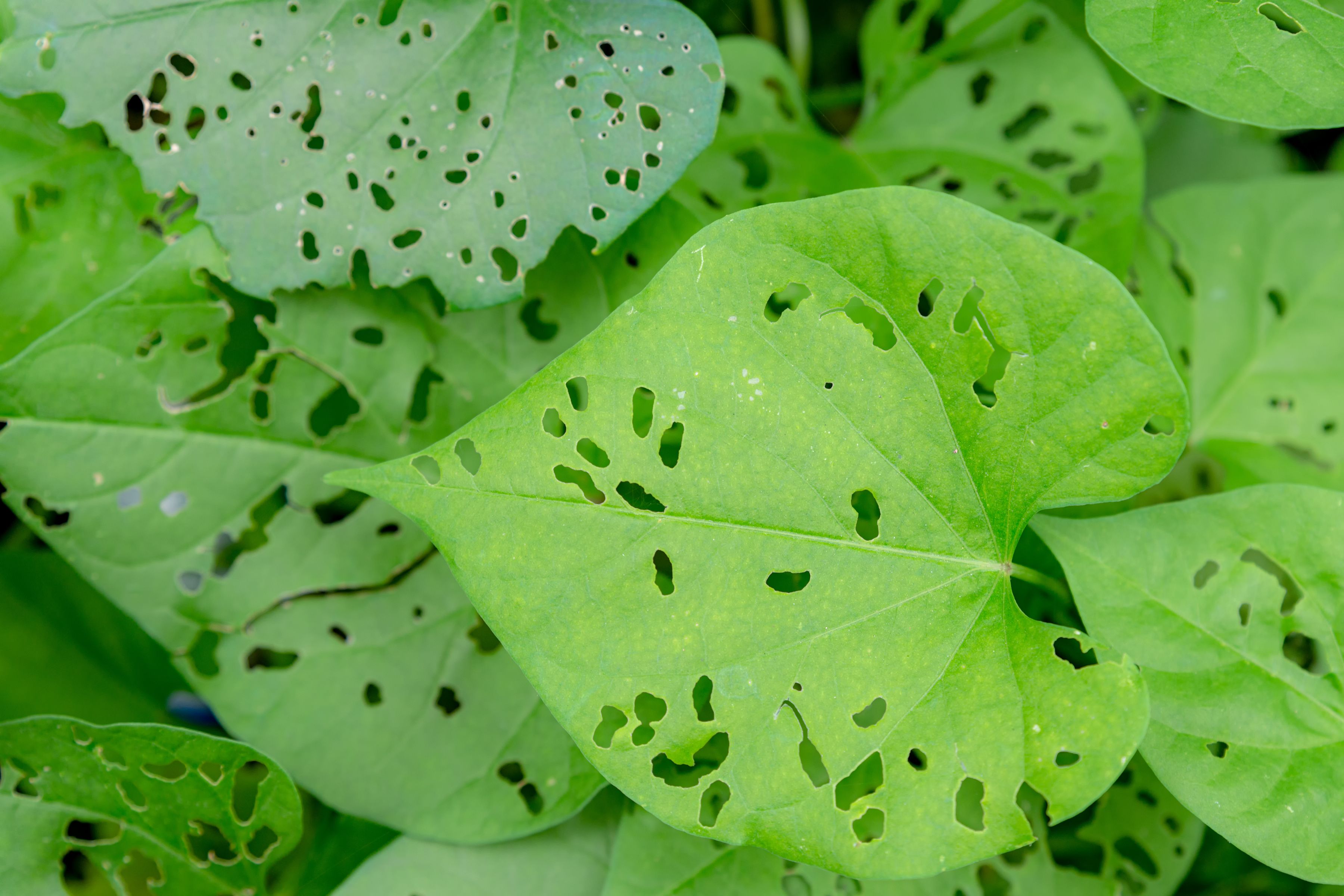
- Monitoring for pests such as aphids, caterpillars, and beetles.
- Applying mulch to retain soil moisture and regulate temperature.
Dealing with Pests
Identifying and managing pests early can prevent significant damage. Use environmentally friendly pest control methods whenever possible, such as introducing beneficial insects or using organic sprays.
Fall: Preparing for Dormancy
Fall is a time for trees to prepare for the coming winter. It's important to focus on:
- Pruning dead or diseased branches to prevent issues during winter storms.
- Applying a slow-release fertilizer to help roots store nutrients.
- Raking leaves to prevent fungal diseases.
Fertilization Tips
Using the right fertilizer in the fall can support root development, which is vital as the tree prepares to go dormant. Make sure to apply it according to the specific needs of your tree species.
Winter: Protecting Against Harsh Weather
Winter in North Carolina can be unpredictable, and trees need protection from cold temperatures and potential ice storms. Consider these tips:
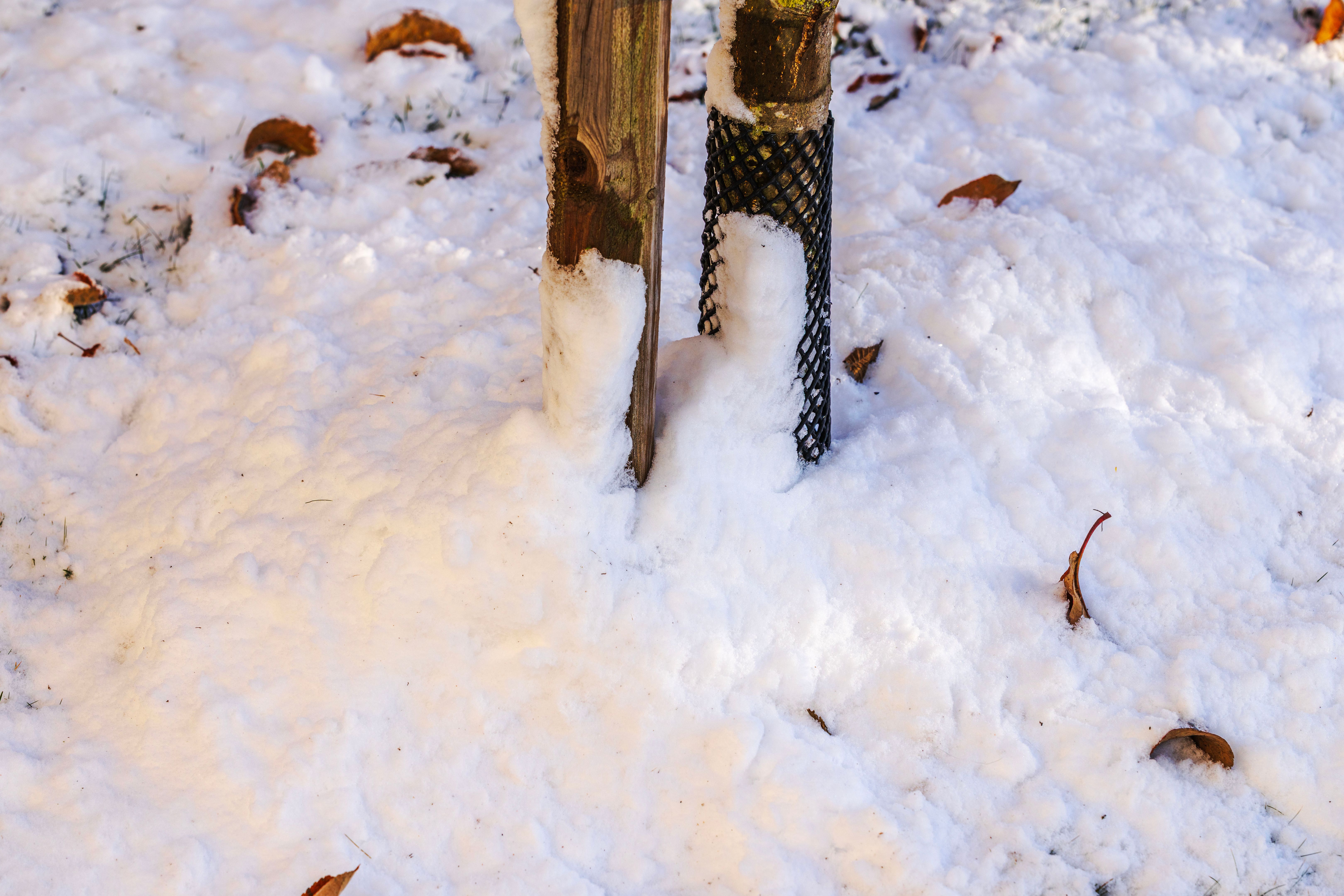
- Wrap young or sensitive trees with burlap to prevent frost damage.
- Inspect trees for signs of stress and address any structural issues.
Winter Pruning
Winter is an excellent time for pruning since trees are dormant. Pruning during this time can help shape the tree and remove any problematic branches without the risk of disease spread.
Conclusion
Understanding the seasonal needs of trees in North Carolina is crucial for their health and beauty. By following these maintenance tips throughout the year, you can ensure your trees thrive and contribute to a vibrant landscape. Regular care and attention will not only enhance the aesthetic appeal of your property but also promote a healthy ecosystem.